
loading...
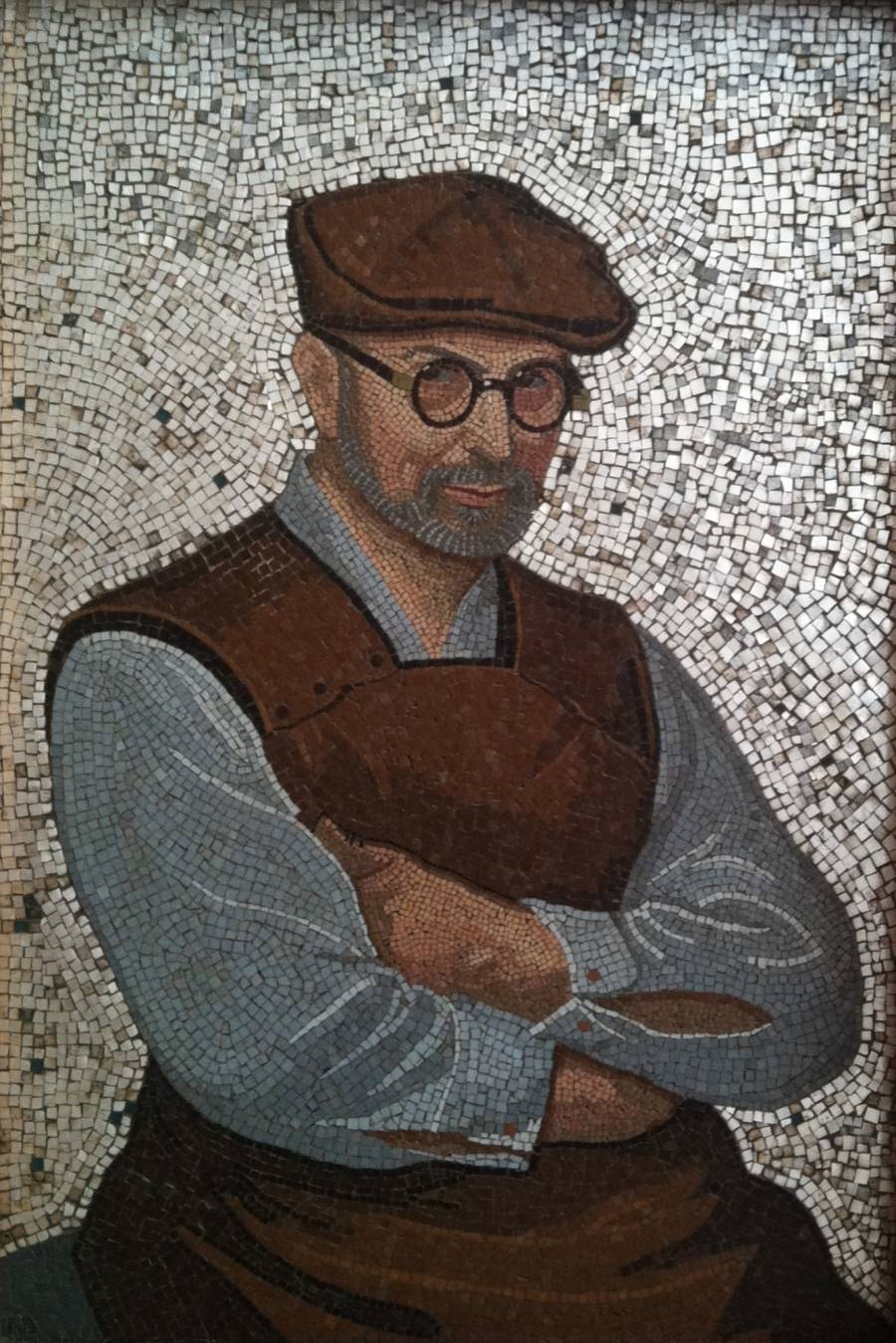
Jean Dunand (1877-1942) was, arguably, the most important and influential metalsmith and lacquer artist of the Art Deco movement. After completing his studies at the Geneva School of International Art, Dunand worked as a sculptor until 1902. Using all the techniques available to him, he experimented with many metals, and produced a range of hammered, encrusted, inlaid and etched vessels, varying from pieces based on natural forms to increasingly geometric forms and patterns.
The influence of Japanese art, design and metal techniques greatly contributed to the expansion of this interest, especially in the technique of lacquer. He was trained in the difficult and demanding techniques of lacquer by the master Japanese lacquer artist Sougawara. Lacquer is a difficult and often dangerous material to work with. Many layers were required, which made these pieces time consuming, and required great patience and the highest levels of technical expertise. Dunand was an apt pupil, and mastered these techniques, including the highly desirable coquille d'oeuf, in which small pieces of egg shell are painstakingly embedded into the lacquer to form various patterns.
Soon, Dunand had so many important commissions that he had to enlarge his studio, and he was employing 100 people. He went beyond the teachings of Sugawara, and developed new colors, such as greens, corals and yellows.
Dunand often worked the surfaces with repoussé, chiseling, and inlays of other colored metals. Gradually, however, he abandoned these motifs for smooth surfaces and more geometric designs reflective of African Art and Cubism. In addition to vases, Dunand created furniture, panels, screens, portraits and jewelry using his beautiful lacquers.
He worked closely with a number of other artists and designers such as Emile-Jacques Ruhlmann, Pierre Legrain, Jean Lambert-Rucki and exhibited regularly with Paul Jouve.